Describe Metadata Its Uses and Types
Descriptions context and usage owners and referents tags and properties in order to create a taxonomy over the datasets that will be indexed by our search engine. The back room and the front.
Understanding Metadata
Metadata also stores information in four heap structures.
. There are several sorts of metadata consistent with their uses and domain. The metadata contains descriptions of the pages contents as well as keywords linked to. In the data warehouse metadata assumes a key position and enables communication among various methods.
They describe the structure of a dataset and the information related to storage systems. For example a method table does not directly store the name of a particular method but points to the methods name stored in the string heap. Structural metadata data about your data descriptive metadata data about your data to describe or document it administrative metadata data about your data for administration purposes auxiliary metadata data that supports other meta-types preservation metadata.
Metadata repository is an integral part of a data warehouse system. Types of Metadata. Metadata records follow a standard format to enable interoperability.
The primary role of metadata is to identify describe and provide intellectual access to the content of a digital collection. Another uses parts of metadata generated by one process. Similarly the disadvantage of using more discipline-specific schema is that your metadata and the digital objects they describe may not be as easily shared with other institutions or systems.
It means it is a description and context of the data. In NET metadata is a common mechanism that the NET runtime compilers and tools all can use. Metadata is simply data about data.
It is often created automatically when we enter the data in the database. Metadata records follow a standard format to enable interoperability. Different types of metadata are needed for resource description discovery retrieval use presentation and preservation of digital objects.
Metadata type names are case-sensitive. This type of metadata includes information about details of the data or file like when it was created rights permissions technical characteristics like size file type data type etc. Having metadata about the data also facilitates search and retrieval of the data when deposited in a data repository.
String blob user string and GUID. Metadata falls into three main categories. It applies business context to datasets.
Here are a few real world examples of metadata. Metadata is documentation that describes data. Metadata can be generally categorized into five types.
Metadata and describing data. In this sense metadata describes an assembly in detail. In addition to document files metadata is used for.
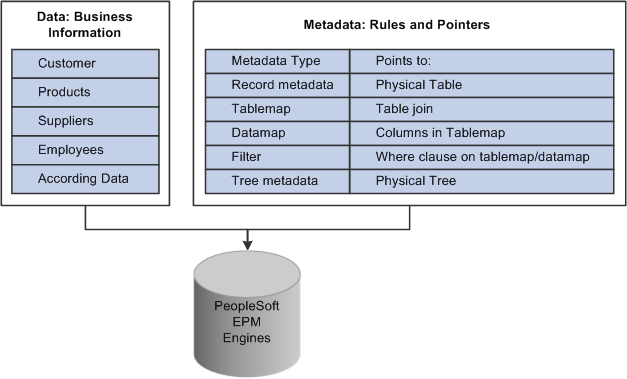
The following diagram shows the roles of metadata. Metadata describe information about data including who what where when why and how so that it can be understood re-used and integrated with other data. The first type is the relational database metadata which is obviously used for relational database files.
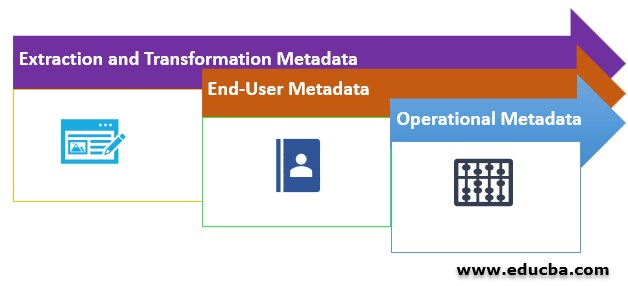
Metadata in a data warehouse fall into three major. In electronic records management its definition can be refined to mean the factual information related to records such as who took a photograph what the title of a publication is where a video was shot when a speech was recorded and why a report is security classified. For this reason some metadata creators find a happy medium by incorporating elements from two or more metadata schema eg Dublin Core and DDI to.
Title and description Tags and categories Who created and when Who last modified and when. It acts as a nerve centre in the data warehouse. Metadata types dont always correspond directly to their related data types.
Metadata API enables you to access some entities and feature settings that you can customize in the user interface. This type of metadata may include data about the tables their sizes names and the number of rows and the columns available in each database. Properly describing and documenting data allows users yourself included to understand and track important details of the work.
Metadata is used in extraction and cleansing tools. This information describes the. The use of metadata on web pages can be very important.
Descriptive or used for discovery and identification and including such information as title author abstract and keywords. Descriptive metadata describes a resource for. Figure shows the location of metadata within the data warehouse.
Types of Metadata. Metadata is used in reporting tools. Further technical metadata also includes some constraints like foreign key primary key and indices.
Though there are many sub-types of these basic types of. Metadata describe information about data including who what where when why and how so that they can be understood re-used and integrated with other data. Metadata is used in transformation tools.
Metadata plays an important role in loading functions. Technical Metadata This type of metadata defines database system names tables names table size data types values and attributes. Structural which shows how information is.
Those are some typical metadata elements. 6 rows There are three main types of metadata. All the strings used to name types and members are stored in the string heap.
Metadata is information about the assemblies modules and types that constitute NET programs. They are helpful in managing the content. Metadata is loosely defined as data about data.
It helps to organize find and understand data. Metadata is used for query tools. Specifying a type name with an invalid case results in a deployment error.
Another metadata type is the data warehouse metadata which may be seen in two separate sections. Microsoft NET uses metadata to describe all types that are used and exposed by the particular NET assembly.
What Is Metadata Types And Benefits Of Metadata With Examples

The 6 Metadata Types You Need To Know Canto
Metadata In Dbms Overview And Types The Crazy Programmer
Comments
Post a Comment